
Pet Wellness Testing & Physical Exams in Orangeville
Proactive preventative medicine is the foundation of a long, happy life for your companion.
At Broadway Animal Hospital, proactive healthcare begins with regular pet wellness testing. From preventative physical exams to comprehensive blood panels and parasite monitoring, routine clinical screening detects subtle health changes months before physical symptoms emerge.
What to Expect During a Nose-to-Tail Physical Exam
A comprehensive physical examination is often the single most important diagnostic tool in veterinary medicine. Whether your visit is for an annual check-up, vaccination booster, or a new patient consultation, our veterinarians conduct a gentle, systematic evaluation of your pet’s physical state.
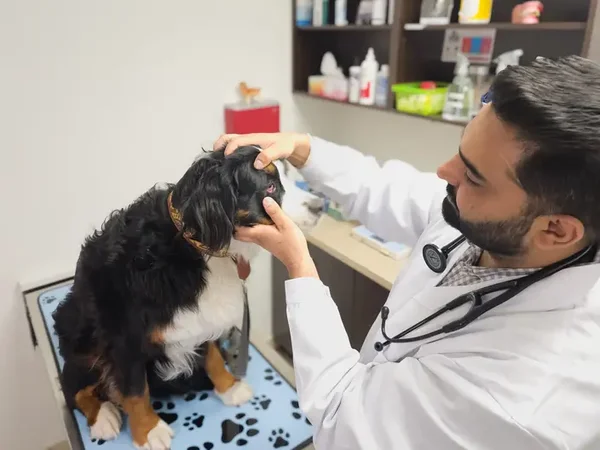
During an Examination, We Systematically Assess:
- Oral cavity, teeth, and gums for periodontal disease, tartar buildup, or gingivitis, coordinating with our pet dental care service
- Eyes and ears using specialized ophthalmoscopes and otoscopes to detect infections or inflammation
- Cardiovascular and respiratory function via precise thoracic auscultation
- Abdominal organs through gentle palpation of the liver, kidneys, spleen, intestines, and bladder
- Musculoskeletal alignment, joint flexibility, skin condition, and lymph nodes
We also evaluate lifestyle factors, activity changes, and nutritional diet plans to tailor preventative recommendations specifically to your dog or cat.
The Critical Value of Routine Diagnostic Testing
Because dogs and cats naturally mask discomfort, serious conditions such as chronic kidney disease, hepatic dysfunction, or diabetes mellitus often develop silently. Routine diagnostic testing provides objective baseline health data.
Our Wellness Diagnostic Panels Include:
- Complete Blood Count (CBC)
- Quantifies red blood cells, white blood cells, and platelets to identify subclinical anemia, systemic inflammation, infection, or immune disorders.
- Biochemistry Profile
- Measures key enzymes and electrolytes to assess liver function, kidney performance, blood glucose, and protein balance. Essential prior to procedures in our surgical suite.
- Urinalysis & Fecal Analysis
- Identifies urinary tract infections, protein loss, early renal decline, and intestinal parasites as part of our parasite prevention program.
Senior Pet Focus (Ages 7+)
Pets age much faster than humans. For companion animals seven years and older, we recommend semi-annual exams and senior wellness bloodwork to detect age-related conditions early, ensuring maximum comfort and longevity.
Recommended Wellness Exam Frequency
For adult dogs and cats in good health
For senior pets (7+ years) or pets with chronic health conditions
Frequently Asked Questions: Pet Wellness in Orangeville
Why does my pet need routine blood work if they seem completely healthy?
Dogs and cats have evolved strong survival instincts to hide illness and weakness from their surroundings until a disease has progressed significantly. For example, by the time a cat displays physical symptoms of kidney insufficiency, up to 67% to 75% of kidney function may already be permanently lost. Routine annual blood panels establish your pet's individual baseline and detect elevations in blood urea nitrogen, creatinine, or liver enzymes early, when dietary adjustments and medical therapies are easiest and most effective.
How often should senior dogs and cats see a veterinarian?
Veterinary professionals recommend that senior dogs and cats (typically age seven and older, or age five for giant dog breeds) receive wellness examinations every six months. Because one calendar year represents approximately four to seven years of a pet's life, semi-annual check-ups allow veterinarians to monitor arthritis progression, blood pressure changes, dental disease, and organ function closely.