
Veterinary Surgical Services in Orangeville
Safe, skilled, and compassionate surgical care with advanced patient monitoring.
We understand that surgery can be an anxious time for both pets and their owners. At Broadway Animal Hospital, our dedicated surgical suite provides safe, modern veterinary surgical care. Whether your pet is scheduled for a routine spay or neuter, a delicate soft-tissue procedure, or urgent intervention coordinated with our emergency veterinary team, your dog or cat is treated with the utmost gentleness and respect.
Comprehensive Surgical Safety & Monitoring
Patient safety is our foremost priority. Every surgical patient undergoes pre-anesthetic screening and pre-operative bloodwork through our diagnostic testing services to ensure vital organs can safely metabolize anesthetic agents. During surgery, dedicated veterinary technicians continuously monitor vital signs, including heart rate, ECG, pulse oximetry, blood pressure, and body temperature.
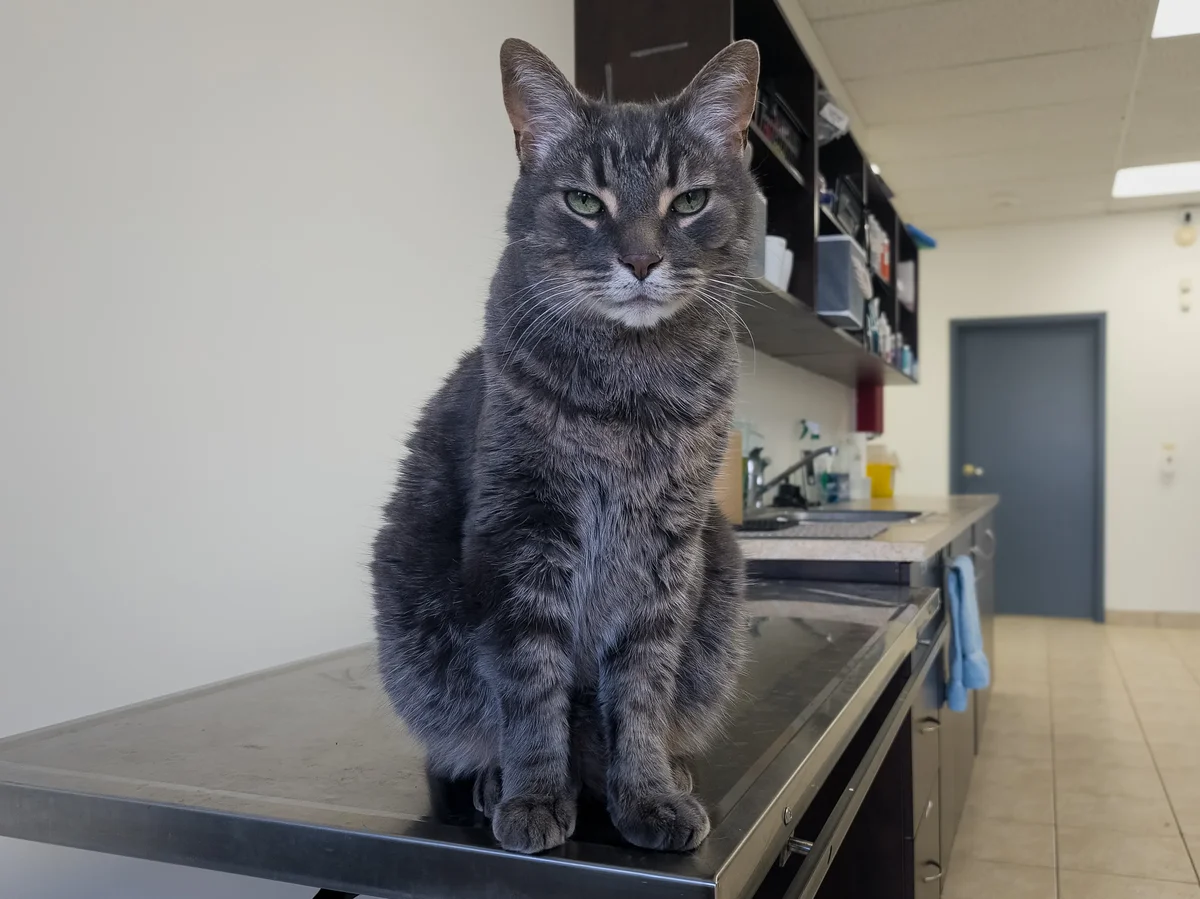
Common Procedures We Perform:
Routine Spay & Neuter
- Canine spays & neuters
- Feline spays & neuters
- Microchipping during surgery
Soft-Tissue Surgery
- Abdominal exploratory surgery
- Tumor & mass removal (biopsy)
- Laceration & wound repair
- Foreign body removal with radiology guidance
Specialized & Urgent Care
- Ophthalmic (eye) surgery
- Aural (ear hematoma) procedures
- Emergency soft-tissue stabilization
Dedicated Surgical Recovery & Pain Management
We employ multimodal pain management before, during, and after surgical procedures. All patients recover in temperature-controlled warming kennels under continuous clinical supervision. When your pet is ready for discharge, our veterinary staff provides clear, step-by-step home-care instructions and pain relief medications so your pet heals comfortably.
Frequently Asked Questions About Pet Surgery
Why is pre-anesthetic blood testing required before pet surgery?
Pre-anesthetic bloodwork evaluates your pet's internal organ function, specifically the kidneys and liver, which are responsible for processing and eliminating anesthetic drugs. Even young, outwardly healthy pets can have hidden congenital abnormalities or subclinical imbalances. By verifying normal organ function, red blood cell counts, and platelet levels prior to induction, our surgical team can tailor the anesthetic protocol to your pet's specific physiology, drastically minimizing procedural risk.
How should I prepare my pet the night before surgery?
For most surgical procedures, pets must be fasted starting at midnight the evening before surgery to prevent vomiting and aspiration under anesthesia. Water is typically allowed until the morning of the procedure unless specifically directed otherwise by your veterinarian. Ensure dogs are walked before drop-off so their bladder is empty, and bring any daily medications your pet currently receives so our clinical team can review them during admission.