
Pet Parasite Prevention & Monitoring in Orangeville
Proactive, year-round defense against fleas, ticks, heartworm, and intestinal worms.
Parasites are far more than an uncomfortable nuisance. Left untreated, external pests and internal parasites can transmit serious vector-borne diseases such as Lyme disease and life-threatening heartworm infections. At Broadway Animal Hospital, our comprehensive parasite prevention protocols protect your dog, cat, and household throughout Southern Ontario's changing seasons.
Parasite Control for Puppies & Kittens
Young companion animals are particularly vulnerable to congenital and environmental parasites. We incorporate microscopic fecal analysis and gentle, broad-spectrum deworming into every puppy and kitten wellness checkup to ensure a healthy developmental start.
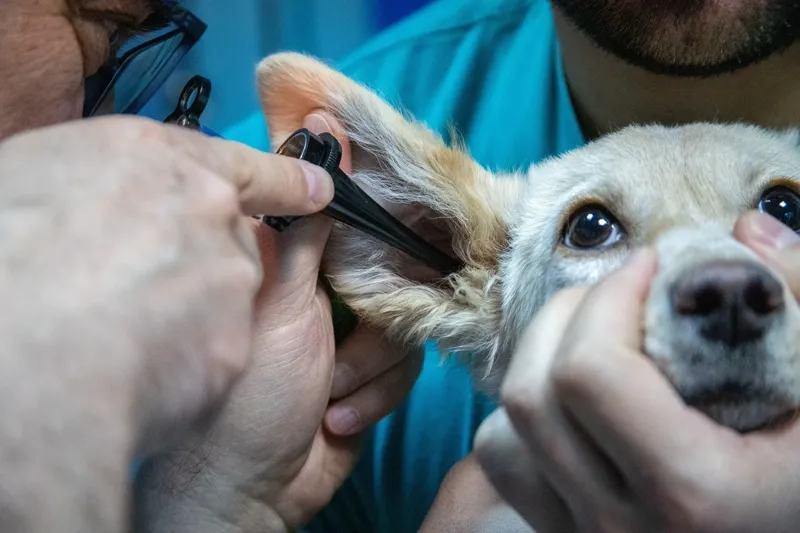
Adult Pet Parasite Prevention
Parasite risk does not decrease with age. Even strictly indoor cats can be exposed through insects that enter the home or dormant larvae tracked in on footwear. We prescribe safe, veterinarian-approved monthly treatments tailored to your pet's lifestyle for:
Blacklegged Ticks & Emerging Risks in Ontario
Blacklegged (deer) tick populations and Lyme disease cases have surged across Dufferin County and the Caledon Hills. Ticks become active whenever ambient temperatures reach 4°C (39°F) or above. We strongly advise continuous tick prevention from March through early winter.
Why Preventative Care Matters:
- Prevents severe blood loss, anemia, and flea allergy dermatitis (FAD)
- Stops permanent cardiac and arterial damage caused by heartworm larvae
- Protects your family from zoonotic parasite transmission (roundworms and hookworms)
- Avoids costly emergency diagnostics and emergency hospitalization
Frequently Asked Questions About Parasite Prevention
Why is tick prevention essential for pets in Orangeville and Dufferin County?
Southern Ontario, including Orangeville, Mono, and Caledon, is an established risk area for the blacklegged tick (Ixodes scapularis), the primary vector of Borrelia burgdorferi (the bacteria causing Lyme disease) and Anaplasma phagocytophilum. Ticks quest in long grass and brush whenever temperatures exceed 4°C, meaning unseasonal winter thaws pose an active transmission risk. Modern veterinary prescription chews and topicals kill ticks rapidly before they can transmit pathogens to your pet.
Do indoor cats truly need flea and heartworm prevention?
Yes. Heartworm disease is transmitted exclusively through the bite of an infected mosquito, which frequently enter homes through open windows, patio screens, or exterior doors. In cats, heartworms cause severe respiratory syndrome (HARD) even with a low worm burden, and there is no approved medical cure once adult worms develop. Furthermore, fleas can hitchhike indoors on human clothing or household dogs. Preventative monthly topicals provide safe, complete protection.