
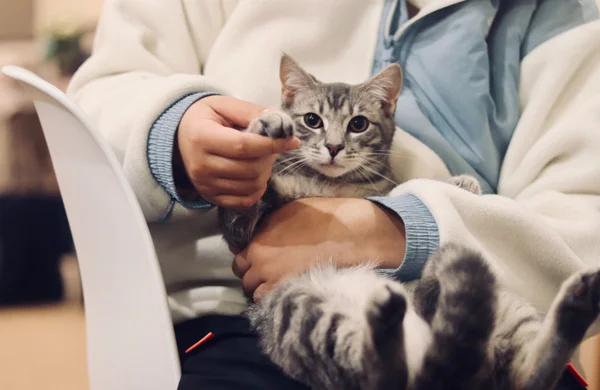
Are cat vaccinations necessary for indoor-only pets? Absolutely. Whether you need a standard feline vaccine schedule for an adult cat or are starting pediatric kitten vaccines, immunization is essential for lifelong viral defense. In Ontario, protecting your feline companion against contagious diseases and rabies is both sound medicine and a legal responsibility.
Do Indoor Cats Truly Need Vaccines?
A widespread misconception among cat parents is that indoor cats face zero risk of infectious disease. However, indoor cats still require core immunizations for several key reasons:
- Ontario Rabies Regulations: Under Ontario Regulation 567 (Health Protection and Promotion Act), rabies vaccination is legally mandatory for all cats and dogs aged three months and older, regardless of whether they ever step foot outside. Bats, rodents, and wildlife frequently enter attics or living areas, creating real exposure risks.
- Pathogens on Shoes & Clothing: Highly resilient viruses like feline panleukopenia (feline distemper) can survive on footwear, clothing, or carrier boxes for months and easily transfer into an indoor home.
- Accidental Escapes: Even placid indoor cats can dart out an open door during deliveries or storms, immediately encountering outdoor environmental contaminants or unvaccinated strays.
Feline Core vs. Non-Core Vaccines
Veterinary immunization guidelines categorize cat vaccinations into two distinct tiers:
- Core Vaccines (Every Cat):
- FVRCP Vaccine: A combined immunization protecting against three life-threatening feline viruses: Feline Viral Rhinotracheitis (Herpesvirus-1), Calicivirus (causing painful oral ulcerations), and Panleukopenia (feline parvovirus).
- Rabies Vaccine: A fatal zoonotic viral disease transmissible to humans; legally required throughout Ontario.
- Non-Core Vaccines (Lifestyle-Dependent):
- Feline Leukemia Virus (FeLV): Strongly recommended for all kittens during their first year, and continued for cats that spend time outdoors or live in multi-cat households where cats have outdoor access.
Learn more about our dedicated feline veterinary care services and individualized vaccine protocols.
Recommended Kitten Vaccination Schedule
Kittens possess maternal antibodies from mother's milk that gradually wane between 6 and 16 weeks of age. A series of booster visits ensures your kitten develops robust, lifelong immunity:
- Visit 1 (6 to 8 Weeks): Physical exam, initial FVRCP immunization, and microscopic fecal check with parasite prevention.
- Visit 2 (10 to 12 Weeks): FVRCP booster, optional FeLV vaccine for at-risk kittens, and topical flea/tick protection.
- Visit 3 (14 to 16 Weeks): Final FVRCP booster, second FeLV booster, and Rabies vaccination with official rabies certificate.
- Adult Boosters: An initial 1-year booster followed by 1-year or 3-year vaccination intervals based on your cat's lifestyle and medical history.
Partnering with Your Veterinarian
Every cat has unique lifestyle factors, sensitivities, and risk profiles. Rather than a one-size-fits-all approach, our veterinary team tailors vaccination protocols to your cat’s age, health status, and living environment.
To schedule your cat's vaccinations or review their booster schedule in Orangeville, please contact Broadway Animal Hospital today.