
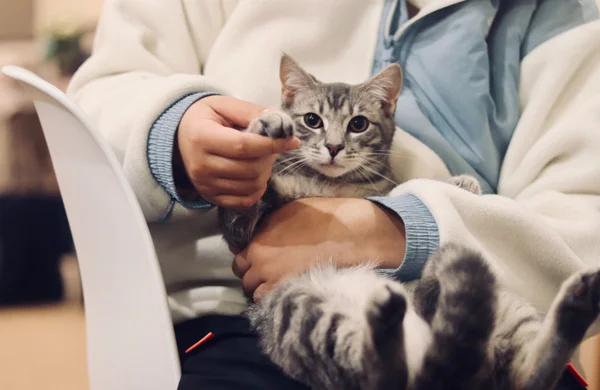
Are cat vaccinations necessary for indoor pets? Absolutely. Whether you need a cat vaccine schedule for an adult or are starting kitten vaccinations, protecting your feline friend from disease is vital. Even if your cat is your indoor companion, it is vital to get it vaccinated. After the first vaccination, follow-up boosters shots are equally crucial. You should consult a vet for the vaccination schedule of your cat.
Should you get your indoor cat vaccinated?
Though many people think that indoor cats do not require vaccination, it is false. There are several states with a law to vaccinate cats. Some states require you to vaccinate your cat against rabies after six months. Keep the certificate provided by the vet in a safe place as proof.
It is always better to be cautious with your cat’s health, as they are adventurous and curious. Even if your cat spends minimal time outdoors, it is still plausible that it can contract a disease. Insects like mosquitoes do not have much trouble making their way into the home and spreading the disease to your little cat.
Vaccinating Outdoor cat
If your cat stays outdoors for a significant time, getting it vaccinated is imperative. When a cat stays outdoors, it is more exposed to insects that can spread the virus. Hence, take extra care of your cat. You should never neglect even a tiny irregularity by your cat if it persists for more than two or three days. Because it is better to cure the disease before it worsens, and as an outdoor cat, it is more prone to contract the disease.
The usual schedule of vaccination
Hold your kitten’s first round of vaccination when it is six to eight weeks old. Following the first round, the other rounds should be held in intervals of three to four weeks until they turn 16 weeks old.
Vaccination schedule
First visit (six to eight weeks)
- Blood test for feline leukemia
- Review of grooming and nutrition
- Vaccination for calicivirus, rhinotracheitis, chlamydia, and panleukopenia.
- Fecal exam of parasites.
Second visit (ten to twelve months)
- First feline leukemia vaccine
- External check for parasites
- Second dose of rhinotracheitis, calicivirus, and panleukopenia
Third visit (instructed by vet)
- Second feline vaccine for Leukemia
- Rabies vaccine
Why should you consult a Vet?
Consulting a vet for your cat vaccination is a no-brainer. A vet has prowess in the field and will advise the best option for your cat. They will also assess the kitten’s health and will vaccinate it accordingly. You should check the vet certification before taking advice from them, as many quacks in the market can aggravate your cat’s situation. A genuine vet will always work for your kitten’s health betterment.
Bottom line
It is necessary to get your cat vaccinated as a preventive measure. Negligence from your side can have negative consequences. As they say, “prevention is better than cure.” So, be prudent with your cat’s health to make them a happy being in the future.